Reed Adjustment Chart
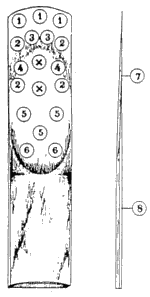
| Fault | Area | Tool | Remarks |
|
|
|||
| Too soft | Tip | Trimmer | Clip small amount. Test after each clip. |
| Buzzy or edgy | Tip | Trimmer | Same as above. |
| Lack of resonance | 1 & 2 | Dutch rush | Balance. |
| Dull sound when playing softly | 1 & 2 | Dutch rush | Balance; take more off both sides if still too hard. |
| Blows hard | 2 | Dutch rush | Thin both sides and balance. |
| Lower register lacks resonance | 2 | Dutch rush | Balance and thin if necessary. |
| Tip too thick after clipping | Under side of tip | Sandpaper | Lay sandpaper on glass and stroke lightly with grain on the flat table side of reed to about 3/8 of an inch back from tip. |
| Reed whistles | 2 | Dutch rush | Balance. |
| High tones hard to attack softly | 2 & 1 | Dutch rush | Thin gradually with light stroke. |
| Thin high register | 3 | Dutch rush | Test after each few strokes. |
| Lacks projection in upper register | 3 | Dutch rush | Move three back from the tip.(This may shorten the life of the reed.) |
| Lack of resonance in middle register | 4 | Dutch rush | Lightly on 3 also. |
| Heavy low register | 6 | Scraping knife | Finish with Dutch rush. |
| General lack of resonance | 7 & 8 | Sandpaper on glass | Sand rails of reed if reed is too wide for mouthpiece. |
| After balancing, reed plays well but blows hard | 6 – 5 – 4 – 3 | Scraper | Thin evenly all indicated areas. |
| Table not flat | Table | Razor blade | Stroke lightly towards tip. |
| Table not smooth | Table | Sandpaper on glass | Rub lightly back and forth, always in the direction of the grain. |
You can substitute 400 grit sandpaper for Dutch Rush. Dutch Rush is a tall plant found alongside rivers and streams. It has vertical ribbing that runs the length of the stalk. It can be purchased at some music stores and catalog stores.